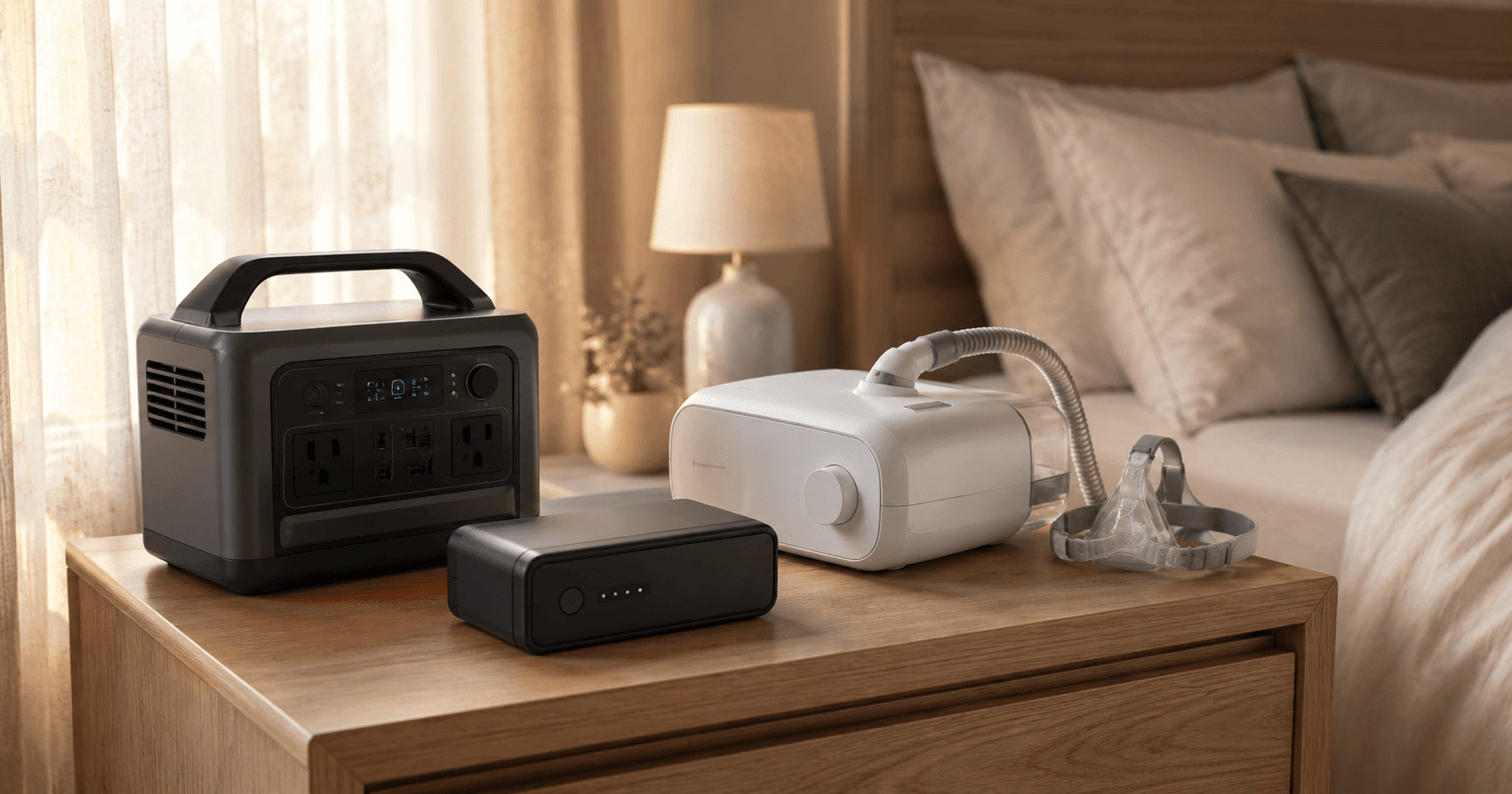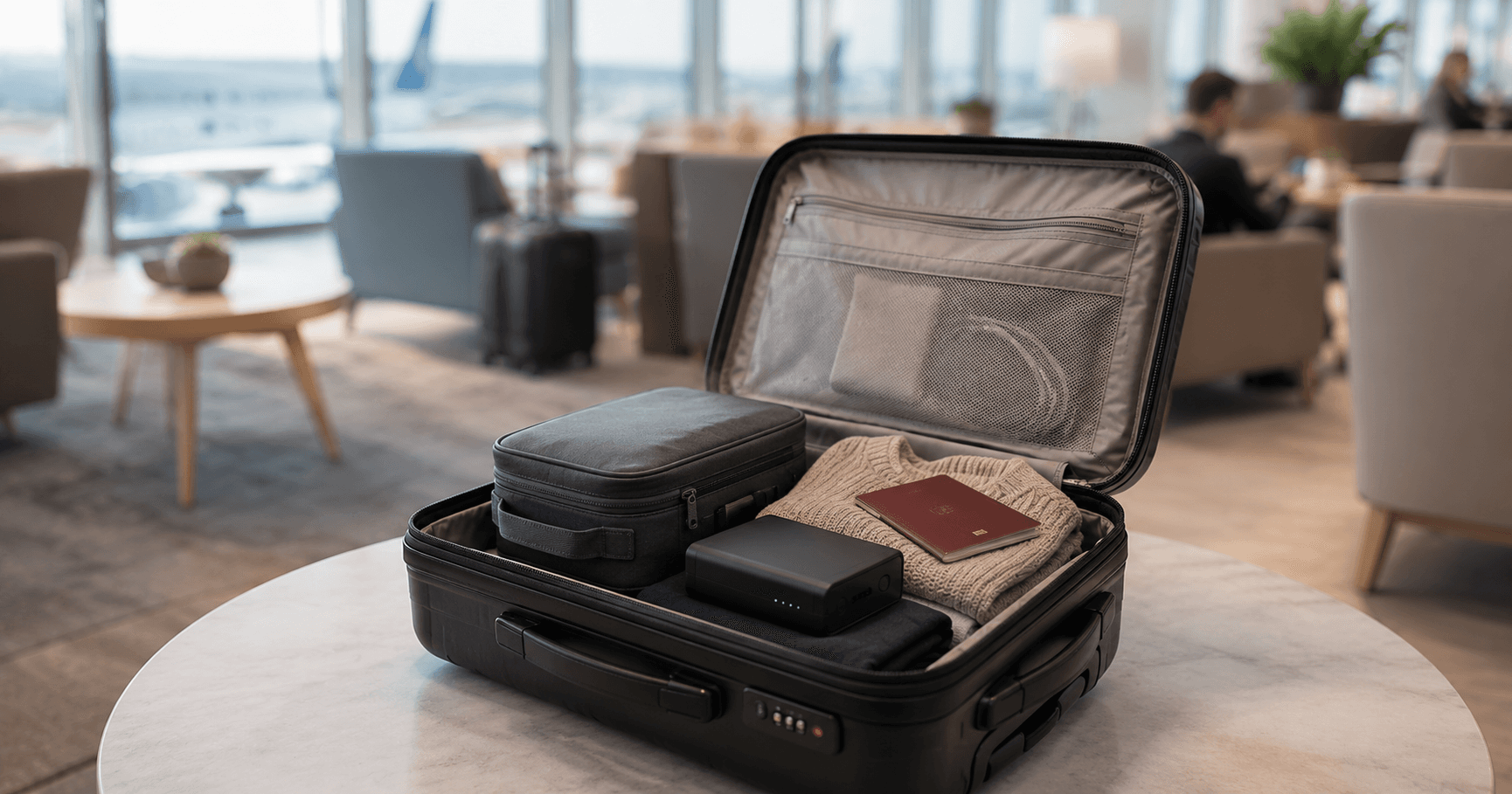
Is there a battery powered CPAP machine? Not the way most people picture it. No mainstream CPAP sold in the US has a battery inside the case. A battery operated CPAP machine in practice means a travel CPAP plus a lithium battery, and the lightest combo that works is the ResMed AirMini (0.66 lb) with a 95 to 100 Wh FAA-legal pack for about one full night.
This guide ranks those combinations. If you already own a home machine and only need outage backup, read our best CPAP backup batteries guide instead. If you want a machine built for battery life, keep reading.
What a battery powered CPAP machine actually is
A battery powered CPAP machine is any CPAP running from a DC battery instead of a wall outlet. The term covers three different setups, and knowing which one you want saves you several hundred dollars.
- Travel CPAP with a clip-on battery. The Breas Z2 Auto PowerShell is a sleeve with an integrated battery that slides onto the machine. The Transcend Micro's P8 PowerAway pack stacks onto its base. These are the closest thing to an all-in-one battery CPAP, with no loose cables.
- Travel CPAP with an external battery. The ResMed AirMini and the React Health Luna TravelPAP have no attachable battery. You plug them into a CPAP battery or a USB-C power bank with a trigger cable. This is lighter and more flexible, because the same battery can later power a different machine.
- Home CPAP with a battery and DC converter. An AirSense 11 running from a 12 V power station through a DC converter is also a battery powered CPAP, just a heavier and thirstier one. See our best CPAP machines for battery efficiency ranking for how the draws compare.
In short: the machine is the smaller half of the decision. The battery and the cable between them determine whether you sleep through the night.
What makes a CPAP travel-ready and battery-friendly
Four specs separate a true portable battery powered CPAP machine from a home machine in a smaller box.
- Weight under 1 lb. The AirMini (0.66 lb), Z2 Auto (0.65 lb) and Transcend Micro (0.48 lb) all qualify. The Luna TravelPAP at 0.88 lb just makes it. A home AirSense 11 is 2.27 lb before the power brick.
- Low power draw. ResMed's AirMini fact sheet lists 6.3 W typical and 27 W peak. Our site planning figure is a conservative 11 W average. An AirSense 11 with the humidifier off averages 18 W on the same methodology, and 48 W on high humidity.
- Native DC input. Every machine here accepts DC directly, which skips the inverter and its 20 to 30 percent loss. None lists native USB-C Power Delivery input, so USB-C banks need a trigger cable. Our USB-C PD for CPAP guide covers which cables work.
- FAA compliance. All four current machines below meet FAA in-flight requirements. The battery, not the machine, is what gate agents check. Our CPAP on airplane TSA and FAA rules guide has the paperwork.
Noise matters too. The AirMini and Transcend Micro run around 27 to 30 dBA, the Z2 Auto about 30 dBA. All are louder than a 24 dBA AirSense 11, which you will notice in a tent.
Battery powered CPAP machine comparison table
The table uses the site's runtime formula from our CPAP battery runtime calculator: hours = Wh divided by watts, times 0.88 DC efficiency, with 8-hour nights. A 100 Wh battery is the largest you can fly without airline approval.
| Machine | Weight | Planning draw | Battery option | Nights on a 100 Wh FAA battery (DC) | Status in 2026 |
|---|---|---|---|---|---|
| ResMed AirMini | 0.66 lb | 11 W (site baseline; 6.3 W typical per ResMed) | External only: 24 V CPAP battery, ResMed DC converter, or USB-C PD with trigger cable | 8.0 hrs, 1.0 night | Current |
| Breas Z2 Auto | 0.65 lb | ~10 W (est., no site baseline) | Clip-on PowerShell with integrated battery, or any 12 V CPAP battery | ~8.8 hrs, about 1 night | Current (replaced the Z1 Auto) |
| Transcend Micro | 0.48 lb | ~8 to 12 W (est.; 19 V input) | Clip-on P8 PowerAway (about 75 Wh, 17.5 hrs claimed at low pressure) or P4 | ~7 to 11 hrs, about 1 night | Current |
| React Health Luna TravelPAP | 0.88 lb | Not published | External 12 V adapter sold separately | ~1 night (est.) | Current |
| Philips DreamStation Go | 1.8 lb | ~15 W dry (DreamStation 2 baseline) | External Philips pack, 12 V | 5.9 hrs, 0.7 night | Discontinued Jan 2024, recall list |
| ResMed AirSense 11 (home, for reference) | 2.27 lb | 18 W humidifier off, 28 W low, 48 W high | 12 V battery plus 24 V DC converter | 4.9 hrs dry, 0.6 night; 3.1 hrs on low humidity | Current |
Estimated draws are marked. Breas, Somnetics and React Health do not publish average wattage, so those rows use manufacturer runtime claims cross-checked against battery capacity. Treat them as planning figures and run a test night at home before you travel.
The best battery operated CPAP machines for 2026
ResMed AirMini: best battery powered CPAP overall
Weight: 0.66 lb (300 g) | Price: about $799 to $899 | Power: 24 V DC, 6.3 W typical, 27 W peak per ResMed
The AirMini is the easiest CPAP to run on battery because it sips power. At the site's conservative 11 W planning figure, a 95 Wh Medistrom Pilot-24 Lite delivers about 7.6 hours on DC and a 100 Wh Freedom V2 about 8 hours. At ResMed's 6.3 W typical draw you can see 13 hours or more at 10 cmH2O, which matches what most owners report.
It supports AutoSet, CPAP and AutoSet for Her modes with a 4 to 20 cmH2O range, so you give up nothing on therapy quality. Humidification comes from HumidX and HumidX Plus waterless inserts. They are passive heat and moisture exchangers that draw zero watts, which is why the "with humidifier" runtime is the same as dry.
The catch is mask lock-in. HumidX works only with the AirMini versions of the AirFit P10, N20, N30 and F20. The AirMini also has no clip-on battery of its own. ResMed sells a proprietary battery and a DC/DC converter that accepts 12 V or 24 V sources, and most owners end up with a third-party CPAP battery instead. Our best battery for the ResMed AirMini guide ranks every option from ultralight DC packs to FAA-legal power banks.
Pros: lightest full-featured option, best app (myAir), widest battery compatibility through 24 V DC Cons: AirMini-only masks for HumidX, no attachable battery, 28 dBA versus 24 dBA on the AirSense 11


Breas Z2 Auto: best CPAP machine with an attached battery
Weight: 0.65 lb (10.4 oz) machine only | Price: about $799 | Power: 12 V DC input, PowerShell add-on battery
The Z2 Auto from Breas Medical (the HDM division) is the current version of the Z1 Auto, which retailers now list as discontinued. It is the only current travel CPAP whose battery becomes part of the machine. The PowerShell is a sleeve with an integrated lithium battery that the Z2 slides into. Breas rates it for a full night at typical pressures, and owners report about 8 hours at 10 cmH2O and 5 hours at 15 cmH2O.
The Z2 also takes standard 12 V DC, so it runs from any CPAP battery or power station with a 12 V output. That flexibility is why it is popular with campers and overlanders. A 256 Wh EcoFlow River 2 through its 12 V port gives roughly 2 to 3 nights. The Z2 uses standard 22 mm tubing and works with most masks, unlike the AirMini.
Downsides: no app as polished as myAir, about 30 dBA, and the PowerShell adds bulk. With the sleeve attached the whole unit is roughly 1.1 lb, still lighter than a DreamStation Go.
Pros: integrated battery option, standard masks, broad 12 V compatibility, good for solar setups Cons: louder than the AirMini, PowerShell costs about $150 extra, extended battery has only a 6-month warranty
Transcend Micro: lightest battery powered CPAP machine
Weight: 0.48 lb (218 g) | Price: about $769 list | Power: 19 V DC (2.1 A supply), P4 and P8 PowerAway batteries
The Transcend Micro from Somnetics is the smallest CPAP sold, at 3.6 x 3.6 x 2.4 inches, and the lightest battery operated CPAP setup once you add the P4 pack. The P8 PowerAway battery (about 75 Wh, 16.7 oz) stacks under the machine and is rated for 17.5 hours at low pressure, which implies a draw near 4 W in that scenario. Expect 5 to 6 hours at 15 cmH2O on the smaller P4.
It auto-adjusts between 4 and 20 cmH2O, uses standard 22 mm tubing so most masks fit, and runs about 27 dBA. Humidification is the AirMist waterless HME, which draws no power. The USB-C port is for data only. There is no verified native USB-C PD power input, so stick with the PowerAway packs or a verified 19 V cable.
Somnetics' older Transcend 365, the one travel CPAP with a heated humidifier and a P10 battery, is listed as discontinued by major retailers and weighed 1.69 lb. Do not buy one expecting support.
Pros: lightest machine and lightest full kit, standard masks, quiet Cons: 20 cmH2O ceiling, 19 V input limits battery choice, kit price climbs fast with batteries
Check Transcend Micro on Amazon
React Health Luna TravelPAP: standard-mask alternative
Weight: 0.88 lb (14.1 oz) | Price: about $775 to $825 street, $1,099 list | Power: AC adapter included, 12 V DC adapter optional
The Luna TravelPAP is React Health's travel version of its Luna G3 line. At 14.1 oz it is heavier than the three machines above but still carry-on friendly and FAA compliant. It works with standard masks and tubing, and React Health sells an optional 12 V adapter for cars, campers and RVs.
The company does not publish average power draw, and there is no clip-on battery. Treat it as a roughly one-night machine on a 100 Wh battery and verify with a test night. Pricing has swung from $599 sale to $825 in 2026, so compare before you buy. It is no longer the budget pick it was at launch.
Check Luna TravelPAP on Amazon
Philips DreamStation Go: discontinued, not recommended
Weight: 1.8 lb | Status: shipments discontinued January 25, 2024; on the June 2021 recall list
The DreamStation Go still shows up in battery powered CPAP searches, so here is the current status. Philips listed it for shipment discontinuation on January 25, 2024 under the federal consent decree that stopped new US CPAP sales, and units made before April 26, 2021 are on the recall list. It was the only travel CPAP with a real heated humidifier, but Philips' own spec says the humidifier does not run on battery power.
If you already own one that has been through recall remediation, it still works from a 12 V battery dry. Nobody should buy one new in 2026. If you need heated humidity on the road, our travel CPAP with humidifier guide walks through what actually works.
Which battery to pair with a travel CPAP
The right battery depends on where you sleep. Below 100 Wh flies without approval. Above about 250 Wh you are into power stations that stay in the car or tent.
- Flying, one night at a time: Medistrom Pilot-24 Lite (95 Wh) or Freedom V2 (100 Wh). Both output 12 V and 24 V, so they run the AirMini, Z2 Auto and most home machines. See our best CPAP travel batteries ranking.
- USB-C only packing: a 140 W class USB-C PD bank such as the Anker Prime 27,650 mAh (about 99 Wh) plus a 24 V trigger cable runs an AirMini for a night and charges your phone.
- Camping 2 to 4 nights: a 256 to 300 Wh power station with a 12 V port. The EcoFlow River 2 gives the AirMini about 20 hours on DC. Our CPAP camping setup guide covers solar top-ups, and Jackery for CPAP compares the Explorer line night by night.
- Home outage backup for the same machine: a UPS-style CPAP battery that switches over instantly, like the Zopec Explore Mini.


Anker Prime Power Bank (27,650mAh, 250W, 140W USB-C PD)
$179.99
Check price on Amazon

FAA and TSA rules for a battery operated CPAP machine
The machine is never the problem at the airport. The battery is. Under FAA PackSafe rules for lithium batteries, the limits are:
- Up to 100 Wh: carry-on, no airline approval needed. Covers the Pilot-24 Lite, Freedom V2, Transcend P8 and most USB-C banks.
- 101 to 160 Wh: carry-on with airline approval, limited to two spares per passenger.
- Over 160 Wh: not allowed on passenger aircraft. A 256 Wh River 2 or 293 Wh Jackery Explorer 300 stays home.
- Spare batteries: always carry-on, never checked, with terminals protected.
CPAP machines are assistive medical devices and do not count toward your carry-on limit. Airlines usually want 48 hours notice to use the machine in flight, and some ask for a battery that covers 150 percent of flight time. Print the Wh rating from the battery label or spec sheet and keep it with the machine. Full details are in our CPAP on airplane TSA and FAA rules guide.
Common mistakes with battery powered CPAP setups
Forgetting the DC cable
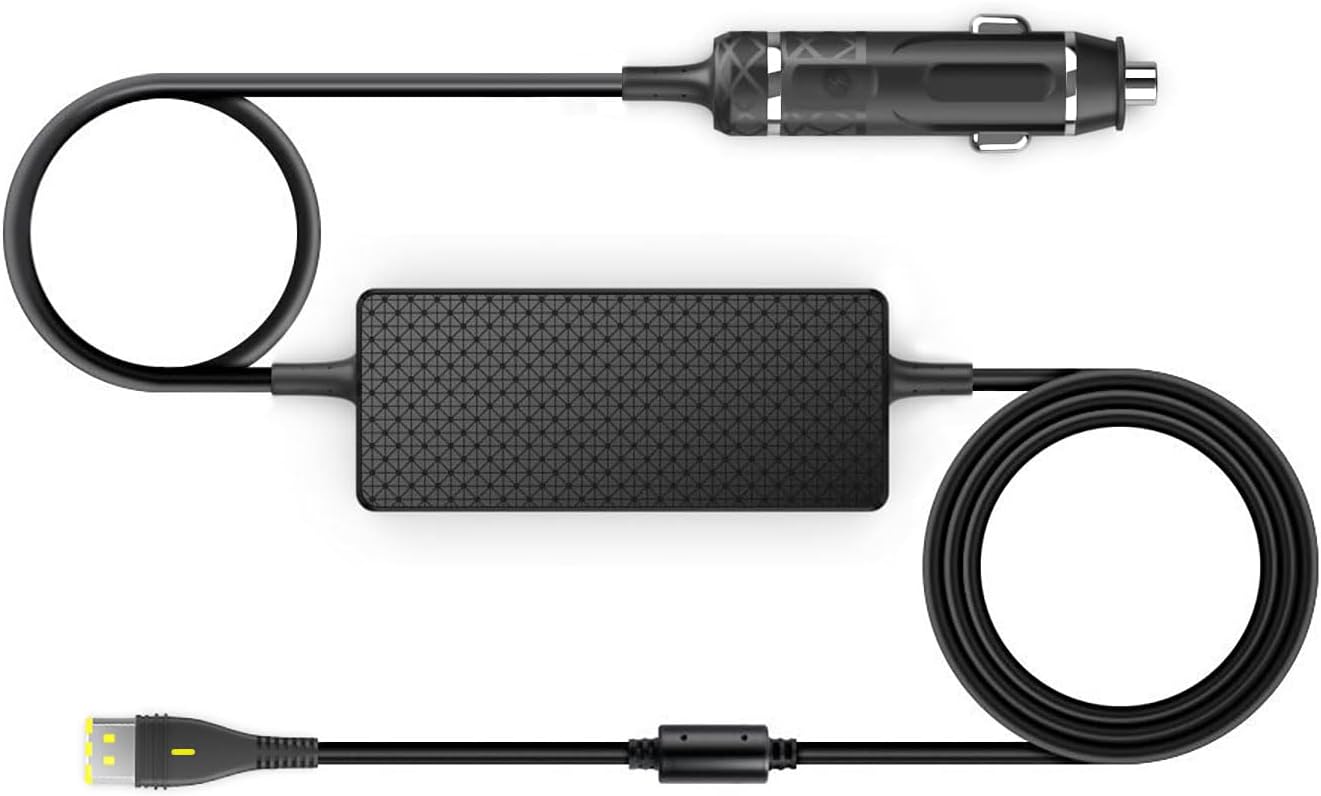
Your travel CPAP ships with an AC brick. The DC cable or converter that connects it to a battery is a separate purchase from ResMed, Breas or Somnetics. Order it with the battery, not the night before the trip.
Sizing by mAh instead of Wh
A 10,000 mAh phone bank is about 37 Wh at 3.7 V and cannot output 24 V. A 20,000 mAh bank is about 72 Wh, roughly one marginal night on an AirMini with the right trigger cable. Shop by Wh and by output voltage.
Running a heated humidifier on battery
On an AirSense 11, draw rises from 18 W dry to 28 W on low humidity and 48 W on high. That cuts a 100 Wh battery from about 5 hours to about 2 hours on DC. Use a waterless HME on a travel CPAP and save heated humidity for wall power. Our CPAP humidifier battery drain guide has the numbers for every setting.
Using an inverter when the machine takes DC
Running the AC brick from an inverter wastes 20 to 30 percent of your battery as heat. Every machine in this guide takes DC directly. A $34 DC converter pays for itself on the first trip.
Ignoring altitude and cold
Above 5,000 feet the blower works harder to hold pressure, and lithium cells deliver less below about 40 F. Budget 15 to 20 percent extra capacity for mountain camping and keep the battery in your sleeping bag.
Bottom line: the best battery powered CPAP machine for you
- Flying often, want the lightest proven kit: ResMed AirMini plus a 95 to 100 Wh CPAP battery. About 8 hours per charge at the site's conservative draw, 13 or more at ResMed's typical draw.
- Want the battery attached to the machine: Breas Z2 Auto with the PowerShell. About 8 hours at 10 cmH2O with nothing to plug in.
- Counting ounces on a trail: Transcend Micro with the P8 PowerAway. Lightest machine, longest claimed runtime at low pressure. See our CPAP backpacking guide.
- Need heated humidity: there is no current travel CPAP that does it on battery. Bring the home machine and a bigger battery, or use an HME.
Whatever you choose, run one full night on battery at home at your prescribed pressure before you leave. One test night tells you more than any spec sheet.

Related reading
- Best battery for the ResMed AirMini for every AirMini power option ranked
- Best CPAP travel batteries for FAA-legal packs under 100 Wh
- CPAP battery runtime calculator to size a battery for your own pressure and humidity settings
- Best CPAP machines for battery efficiency comparing travel and home machines by watts
- Travel CPAP with humidifier guide for HME versus heated humidity on the road
- CPAP camping setup for multi-night power stations and solar
- USB-C PD for CPAP power for trigger cables and compatible banks
- International travel CPAP voltage guide for plugs and voltage by country
What to do next
Pick the setup that matches how you travel, then buy the battery and DC cable at the same time as the machine.
- Choose the machine from the comparison table above by weight, mask compatibility and whether you want an attached battery
- Order a battery under 100 Wh if you fly, or a 256 to 300 Wh power station if you camp, plus the machine-specific DC cable
- Run a full test night at home at your prescribed pressure and note the remaining charge in the morning