Are CPAP batteries FSA and HSA eligible
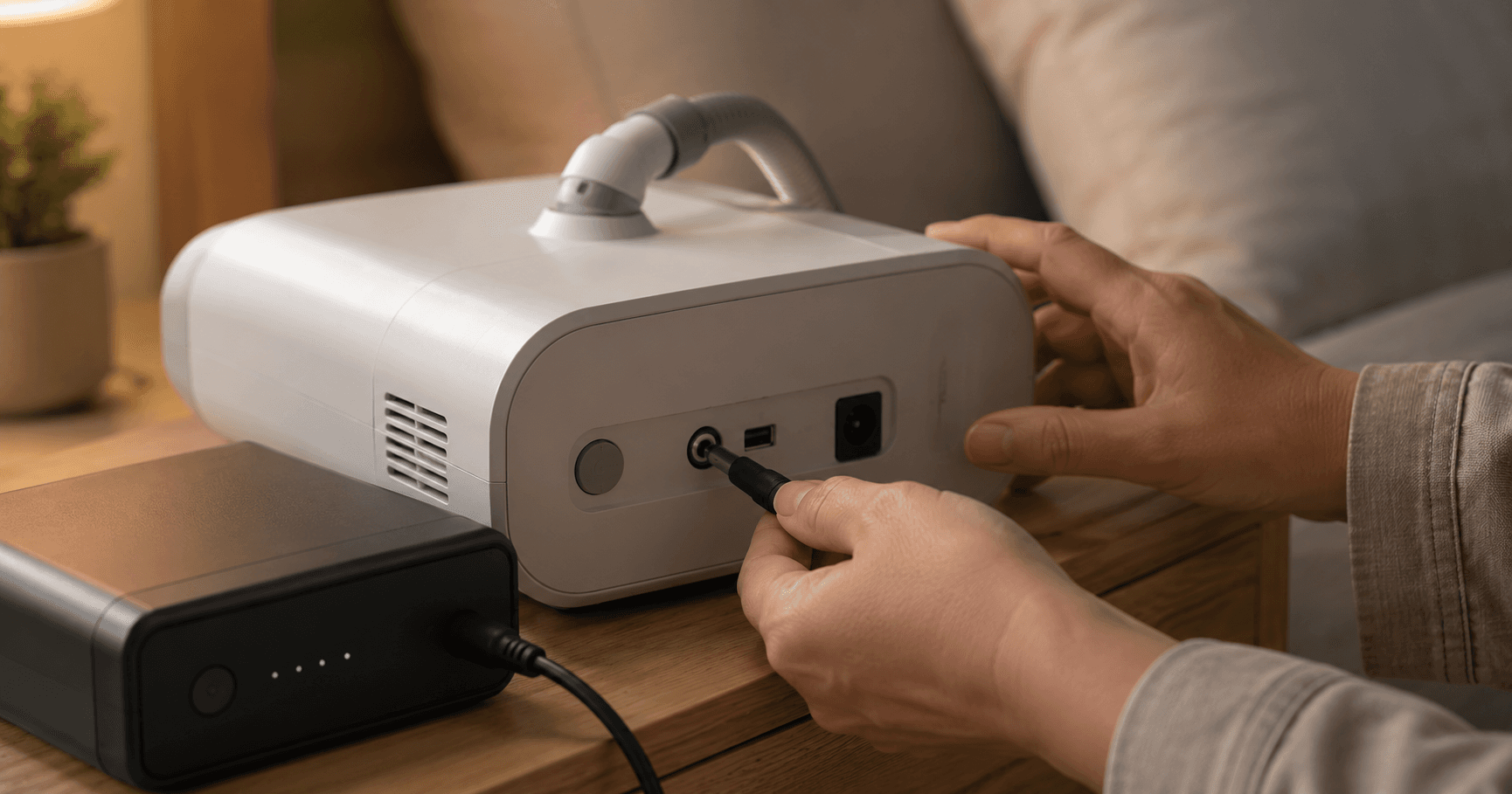
Yes. The IRS classifies CPAP machines as durable medical equipment (DME), and batteries that power them fall under the same category. That means any portable lithium battery, power station, or DC battery pack you buy specifically for your CPAP qualifies as an FSA- or HSA-eligible medical expense — no letter of medical necessity required.
This applies to every common CPAP battery type:
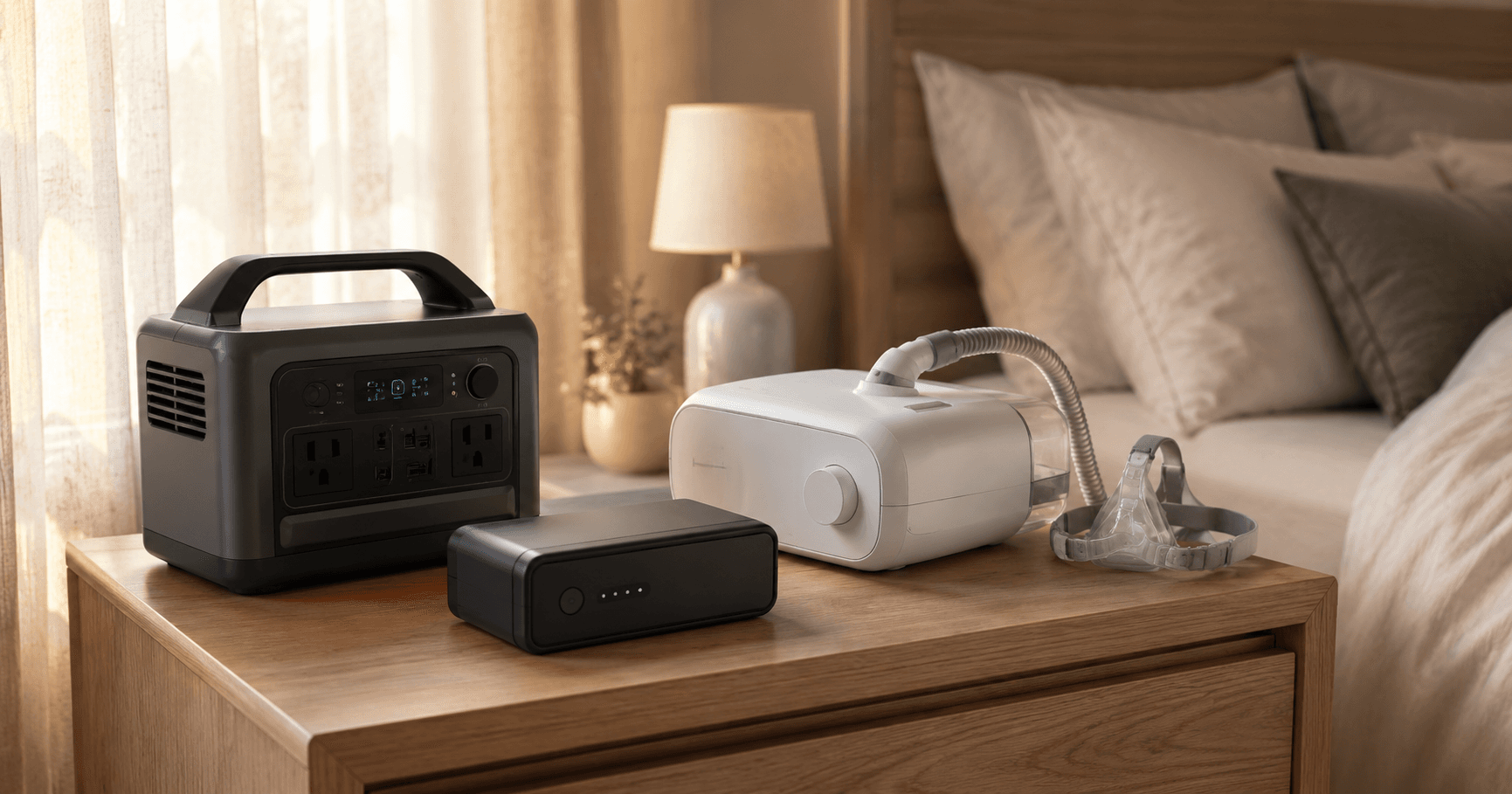
- Dedicated CPAP batteries like the Medistrom Pilot-24 Lite, EASYLONGER ES270, or EXP96 Pro
- Portable power stations from Jackery, EcoFlow, Bluetti, and Anker SOLIX used with a CPAP machine
- DC adapter cables and accessories purchased alongside a battery (the DC power adapter itself is also eligible)
- Solar panels when bundled as part of a CPAP power solution
The key requirement is intent: the device must be purchased to power medical equipment. A general-purpose power station you also use for camping is still eligible if your primary documented reason for buying it is CPAP backup power. Keep your receipt and a note about its medical purpose.
What about insurance coverage
Most private insurance plans and Medicare do not cover CPAP backup batteries, because they are considered convenience items rather than medically necessary devices. A few exceptions exist for patients with documented central sleep apnea or those on bilevel/ASV therapy where power interruption poses a safety risk — but approval is rare.
That is exactly why HSA and FSA purchases are so valuable. They let you bypass the insurance question entirely and pay with pre-tax dollars you have already set aside.
How to buy a CPAP battery with your FSA or HSA
The process is straightforward, but the method you choose affects how smooth the transaction goes.
Option 1: Use your FSA/HSA debit card directly
Many online CPAP supply retailers accept FSA and HSA debit cards at checkout. When you pay with the card, the purchase is automatically categorized as a medical expense — no reimbursement paperwork needed.
Retailers that typically accept FSA/HSA cards include dedicated CPAP and DME supply stores. Amazon also accepts FSA/HSA through its "FSA and HSA Store" filter, though not every CPAP battery listing is tagged correctly.
Option 2: Pay out of pocket, then submit for reimbursement
If your preferred retailer does not accept FSA/HSA cards — or if you are buying from Amazon without the FSA filter — you can pay with a regular credit card and submit for reimbursement afterward.
You will need:
- Itemized receipt showing the product name, price, and date
- Product description confirming it is a CPAP battery or portable power device for medical use
- Your reimbursement form from your FSA/HSA administrator
Most administrators process claims within 5 to 14 business days. Keep digital copies of all receipts in case of an audit.
Option 3: FSA store or benefits marketplace
Some employers partner with FSA/HSA online stores (like FSA Store or HSA Store) that only stock pre-approved eligible items. These marketplaces sometimes carry CPAP batteries, though the selection is limited and prices may be higher than buying direct.
Timing tip: FSA deadlines
FSA funds typically expire at the end of your plan year — often December 31 — with some plans offering a grace period through March 15 or a $610 rollover. If you have been thinking about a backup battery for your CPAP, the last quarter of the year is the ideal time to buy. You use funds that would otherwise expire, and you get a battery that protects your therapy during winter storms and power outages.
HSA funds, by contrast, never expire and roll over indefinitely. There is no urgency to spend them, but the tax advantage is the same.
Can you deduct CPAP batteries on your taxes
Yes, but only if you itemize deductions on Schedule A and your total unreimbursed medical expenses exceed 7.5% of your adjusted gross income (AGI).
Here is how the math works:
| AGI | 7.5% threshold | Medical expenses needed to start deducting |
|---|---|---|
| $50,000 | $3,750 | More than $3,750 |
| $75,000 | $5,625 | More than $5,625 |
| $100,000 | $7,500 | More than $7,500 |
For most people, a single CPAP battery purchase ($150 to $600) will not push them over the threshold on its own. But when you add it to your CPAP machine cost, mask replacements, sleep studies, doctor visits, and other medical expenses for the year, you may be surprised how quickly the total adds up.
What qualifies as a medical expense
The IRS Publication 502 defines eligible medical expenses broadly. For CPAP users, eligible costs include:
- CPAP machine purchase or rental
- Masks, tubing, filters, and replacement parts
- Backup batteries and power stations for medical use
- DC adapter cables
- Humidifier chambers and heated tubing
- Sleep study and titration costs
- Doctor visits related to sleep apnea diagnosis and treatment
Standard deduction vs. itemizing
In 2026, the standard deduction is $15,000 for single filers and $30,000 for married filing jointly. You only benefit from the medical expense deduction if your total itemized deductions (including medical, state/local taxes, mortgage interest, and charitable giving) exceed the standard deduction.
For most CPAP users, the FSA/HSA route saves more money with less paperwork than the tax deduction route. But if you are already itemizing for other reasons, make sure to include every CPAP-related expense.
What documentation you need
Whether you are paying with an FSA/HSA or claiming a tax deduction, keep these records organized:
For FSA/HSA purchases
- Itemized receipt with product name, quantity, and price
- Proof of medical purpose — the product listing or packaging that identifies it as a CPAP battery counts in most cases
- Your CPAP prescription on file (not always required, but helpful if your administrator questions the purchase)
For tax deductions
- All receipts for CPAP supplies and medical expenses throughout the year
- Explanation of benefits (EOB) from insurance showing what was not covered
- Form 1095-A, B, or C depending on your insurance type
- A log of battery usage for medical purposes if using a multi-purpose power station
Pro tip: create a CPAP expense folder
Set up a dedicated folder — physical or digital — at the start of each year. Every time you buy masks, filters, a battery, or pay a copay for a sleep-related appointment, drop the receipt in. When FSA reimbursement or tax season arrives, everything is in one place.
You do not need a prescription to buy a CPAP battery with your FSA or HSA. The IRS and most plan administrators classify CPAP batteries as over-the-counter medical devices. However, having your original CPAP prescription on file speeds up any disputes.
How much you actually save
The savings depend on your tax bracket and whether you use an FSA, HSA, or itemize deductions. Here are realistic scenarios for a $300 CPAP battery purchase:
FSA savings (pre-tax payroll deduction)
| Tax bracket | Federal tax saved | FICA saved (7.65%) | Total saved | Effective price |
|---|---|---|---|---|
| 12% | $36 | $22.95 | $58.95 | $241.05 |
| 22% | $66 | $22.95 | $88.95 | $211.05 |
| 24% | $72 | $22.95 | $94.95 | $205.05 |
| 32% | $96 | $22.95 | $118.95 | $181.05 |
FSA contributions avoid both income tax and FICA taxes, making them the single most efficient way to buy CPAP supplies. At the 22% bracket, you effectively save about 30% on every dollar spent — turning a $300 battery into a $211 purchase.
HSA savings
HSA contributions offer the same pre-tax benefit as FSA with one bonus: investment growth is tax-free, and withdrawals for medical expenses are tax-free. If you have an HSA-eligible high-deductible health plan, the savings are identical to the FSA table above, plus any investment gains on your HSA balance.
Tax deduction savings (Schedule A)
If you itemize and exceed the 7.5% AGI floor, the savings equal your marginal tax rate times the amount above the threshold. For most people, this yields less savings than the FSA/HSA approach and requires more paperwork.
The bottom line


Anker SOLIX C300 Portable Power Station (288Wh LiFePO4, 300W AC)
$329.99
Check price on AmazonUsing pre-tax health dollars to buy a CPAP battery saves you 25% to 40% depending on your tax bracket. On a $300 battery, that is $75 to $120 back in your pocket. For a larger power station like a Jackery or EcoFlow in the $200 to $500 range, the savings are even more significant.
If you have been putting off buying a backup battery because of cost, your FSA or HSA might already have the funds sitting there waiting to be used. And if you are not sure which battery fits your machine, our battery sizing guide helps you calculate exactly how much capacity you need.
Related reading
- CPAP Battery Backup Guide — everything you need to know about keeping your therapy running during outages
- Best CPAP Backup Batteries for 2026 — side-by-side comparisons of top-rated options
- CPAP Power Outage Guide — how to prepare your setup for storms and blackouts
What to do next
If you have FSA dollars expiring soon, now is the time to act. Check our best CPAP backup batteries guide for side-by-side comparisons, then use our battery runtime calculator to make sure the battery you choose will last through the night with your specific machine and pressure settings.