A DIY CPAP battery is a self-built backup power system that lets you run your CPAP machine from a portable 12V or LiFePO4 battery instead of wall power. A commercial CPAP battery backup costs $200 to $500. A DIY CPAP battery built from off-the-shelf components can deliver equal or better runtime for $50 to $250, depending on the chemistry and capacity you choose. The catch is that you need to match your battery voltage to your specific CPAP machine, wire it safely, and pick the right battery chemistry for your use case.
This guide walks you through every step: identifying your CPAP's voltage requirements, choosing between deep-cycle lead-acid and LiFePO4 chemistry, building one of three tiered setups from budget to solar-charged, and wiring everything safely. If you decide the DIY route is not for you, we cover when buying a power station makes more sense.
How to Connect CPAP to 12V Battery: Know Your Power Requirements
Your CPAP machine runs on DC power internally, but not every machine uses the same voltage. Connecting a 24V CPAP to a raw 12V battery will not work — the machine simply will not turn on. Connecting it to the wrong voltage with an incorrect converter can damage the blower motor or control board.
Here is the voltage breakdown by brand and model:
| Brand / Model | Native Voltage | DC Adapter Needed? | Notes |
|---|---|---|---|
| Philips DreamStation 1 | 12V DC | No — runs on 12V natively | Use Philips 12V DC adapter cable |
| Philips DreamStation 2 | 24V DC | Yes — 12V-to-24V step-up | Newer proprietary connector |
| ResMed AirSense 10 | 24V DC | Yes — 12V-to-24V converter (90W) | 3-pin connector with sense pin |
| ResMed AirSense 11 | 24V DC | Yes — 12V-to-24V converter (65W+) | Same sense-pin requirement as AS10 |
| ResMed AirMini | 24V DC | Yes — 12V-to-24V converter | Lower wattage (around 30W) |
| Fisher and Paykel SleepStyle | 12V DC | Possible with correct barrel connector | Verify polarity and amperage |
| 3B Medical Luna II | 24V DC | Yes — 12V-to-24V | Less common; check OEM adapter |
The bottom line: If you own a ResMed machine, you need a step-up converter. If you own a Philips DreamStation 1, you can connect directly to a 12V battery with the right cable. Every other brand requires checking the power brick label for voltage and amperage specifications.
How to calculate your nightly power consumption
Your CPAP's watt-hour draw per night determines how much battery capacity you need. The formula is straightforward:
Watts drawn x hours of sleep = watt-hours (Wh) consumed per night
Most full-size CPAP machines without humidification draw roughly 15 to 30W depending on your pressure setting. With a heated humidifier, expect about 30 to 50W, and up to 60-70W with a heated tube on high. For a 7-hour sleep session:
- Without humidifier: 25W x 7 hours = 175Wh per night
- With humidifier: 55W x 7 hours = 385Wh per night
Use our runtime calculator for personalized estimates based on your exact machine and settings. For a deeper breakdown of capacity math, see our guide on how to calculate exactly what battery size you need.
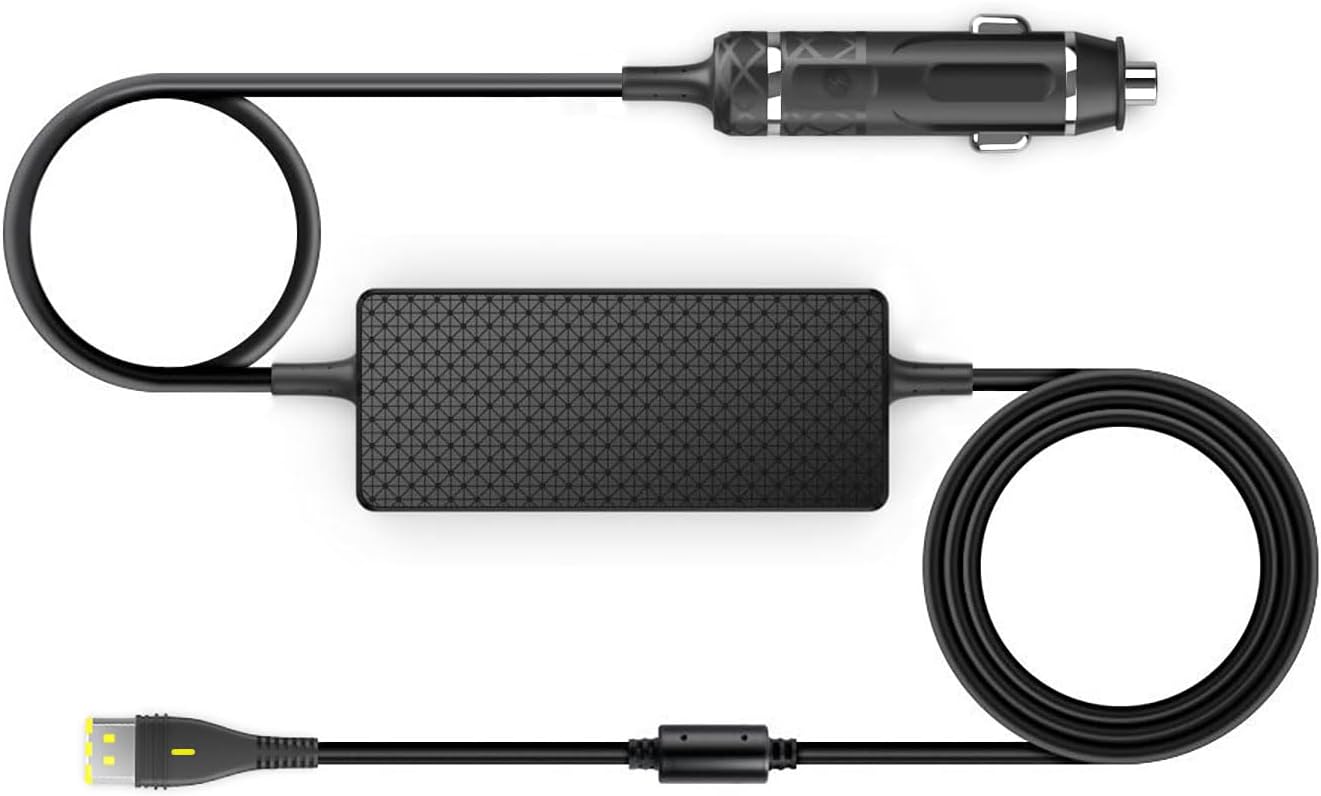

For a complete breakdown of adapter options by brand, read our DC adapter guide for your CPAP brand.
CPAP 12V Deep Cycle Battery Setup: Lead-Acid vs LiFePO4
LiFePO4 (lithium iron phosphate) is the better battery chemistry for most DIY CPAP builds, and it is not close. The upfront cost is higher, but the lifetime economics, weight savings, and safety profile make it the clear winner for anything beyond a temporary emergency backup.
Here is the head-to-head comparison with CPAP-relevant metrics:
| Factor | Deep-Cycle Lead-Acid / AGM | LiFePO4 |
|---|---|---|
| Weight (100Ah) | 55 to 70 lbs | 22 to 30 lbs |
| Usable capacity | 50% (do not discharge below 50%) | 80 to 90% |
| Cycle life | 300 to 500 cycles | 2,000 to 5,000 cycles |
| Upfront cost | $100 to $200 | $200 to $500 |
| Cost per cycle | $0.30 to $0.60 | $0.05 to $0.15 |
| Self-discharge | 3 to 5% per month | Under 2% per month |
| Charging time | 6 to 10 hours | 2 to 4 hours |
| Voltage sag under load | Significant | Very flat discharge curve |
| Off-gassing | Flooded types produce hydrogen gas | None — safe indoors |
| Cold charging | Tolerant below freezing | BMS blocks charging below 32F (0C) |
What these numbers mean for CPAP use
A 100Ah AGM battery weighs 60 pounds and delivers only 50Ah of usable energy (600Wh at 12V) because discharging below 50 percent accelerates degradation. A 50Ah LiFePO4 battery weighs 13 to 15 pounds and delivers 40 to 45Ah of usable energy (480 to 540Wh at 12V) — nearly the same usable capacity at one-quarter the weight.
The cycle life difference is even more dramatic. At one cycle per week, an AGM battery lasts 6 to 10 years before dropping to 80 percent capacity. A LiFePO4 battery lasts 38 to 96 years at the same rate — effectively the rest of your life. In cost-per-cycle terms, LiFePO4 costs $0.05 to $0.15 per charge cycle compared to $0.30 to $0.60 for AGM.
When AGM still makes sense: If you already have an AGM battery in your RV or boat and want to tap into it for CPAP power, there is no reason to buy a separate LiFePO4. A CPAP marine battery setup using an existing Group 24 or Group 27 AGM from your boat is the cheapest possible entry point at $0 for the battery itself. AGM is also more tolerant of cold-weather charging, which matters for winter camping without heated storage.
For a deep dive into LiFePO4 vs Li-Ion chemistry and how it compares to the lithium NMC cells in commercial power stations, see our full comparison guide.
Three DIY CPAP Battery Build Tiers
Each tier below includes a complete parts list, wiring method, estimated cost, and the use case it fits best. Whether you want a cpap battery backup homemade on a shoestring budget or a solar-charged off-grid system, pick the tier that matches your needs.
Tier 1: Budget Build ($50 to $80)
Best for: Emergency home backup, RV users with existing AGM battery banks, anyone who wants the cheapest possible CPAP battery solution.
Parts list:
- Group 24 AGM deep-cycle marine battery, 75 to 100Ah — $80 to $150 (or free if you already have one)
- Alligator clip DC cable — $5 to $10
- Inline ATC blade fuse holder with 10A fuse — $5 to $8
- DC adapter cable for your CPAP brand — $25 to $45
Total (excluding battery you may already own): $35 to $63 for accessories; $115 to $213 with new battery
Wiring: Battery positive terminal, fused alligator clip, DC adapter cable, CPAP. Battery negative terminal, alligator clip, DC adapter ground. The inline fuse goes on the positive lead within 6 inches of the battery terminal.
Runtime estimate: A 100Ah AGM at 50 percent depth of discharge delivers about 600Wh. At 30W CPAP draw (no humidifier), that is roughly 20 hours — two to three full nights. With humidifier at 55W, expect 10 to 11 hours.
Pros: Cheapest entry point. Simple wiring. AGM is widely available at marine supply stores and Walmart.
Cons: Heavy at 55 to 70 pounds. Only 50 percent usable capacity. Shorter cycle life (300 to 500 cycles). Not portable for travel.
Tier 2: Mid-Range LiFePO4 CPAP Battery DIY Build ($150 to $250)
Best for: Regular use as a bedside backup, camping, or anywhere weight matters. This is the sweet spot for most CPAP users building a lifepo4 cpap battery diy setup.
Parts list:
- 12V 50Ah LiFePO4 battery with built-in BMS — $120 to $180
- Marine battery box — $15 to $25
- Anderson Powerpole PP30 connectors (2 pairs) — $8 to $12
- 14 AWG stranded copper wire (6 ft) — $5 to $8
- Inline ATC blade fuse holder with 10A fuse — $5 to $8
- DC adapter cable for your CPAP brand — $25 to $45
- LiFePO4-compatible smart charger (14.6V) — $25 to $40
- Voltmeter display (optional but recommended) — $8 to $12
Total: $211 to $330
Wiring: Battery inside marine box, Anderson Powerpole connectors crimped onto battery leads and adapter leads. Fuse holder on the positive lead between battery and Anderson connector. Voltmeter wired in parallel for state-of-charge monitoring.
Runtime estimate: A 50Ah LiFePO4 at 90 percent depth of discharge delivers about 540Wh. At 30W CPAP draw, that is roughly 18 hours — two to three full nights. With humidifier at 55W, expect 9 to 10 hours.
Pros: Weighs only 13 to 15 pounds for the battery alone. 2,000 to 5,000 cycle life. Anderson connectors make setup and teardown clean. No off-gassing — safe for the bedroom.
Cons: Requires a LiFePO4-specific charger (never use a lead-acid charger). Cannot charge below 32F. Higher upfront cost than AGM.
Tier 3: Solar-Charged Advanced Build ($300 to $500)
Best for: Extended off-grid use — week-long camping trips, RV boondocking, emergency preparedness for multi-day outages. This build is energy-independent with daily solar recharging.
Parts list:
- 12V 100Ah LiFePO4 battery with built-in BMS — $200 to $350
- 100W portable solar panel — $100 to $150
- MPPT solar charge controller (20A) — $30 to $50
- Marine battery box or DIY enclosure — $15 to $25
- Fuse block (Blue Sea Systems 5025 or similar, 6-circuit) — $25 to $35
- 12 AWG stranded copper wire (10 ft) — $8 to $12
- DC adapter cable for your CPAP brand — $25 to $45
- Voltmeter display — $8 to $12
- Anderson Powerpole or MC4 connectors — $10 to $15
Total: $421 to $694
Wiring: Solar panel connects to MPPT charge controller via MC4 connectors. Charge controller output connects to battery through fuse block. CPAP DC adapter runs from a dedicated fuse block circuit. Voltmeter wired in parallel for monitoring.
Runtime estimate: A 100Ah LiFePO4 at 90 percent depth of discharge delivers about 1,080Wh. At 30W CPAP draw, that is roughly 36 hours — four to five full nights on a single charge. With 5 to 6 hours of sun, the 100W panel recharges 60 to 80 percent of a nightly CPAP draw, making this setup nearly indefinite for non-humidified use.
Pros: Energy independence. Massive runtime. Recharges daily from sunlight. Can power other small devices from the fuse block.
Cons: Highest cost. Heavier total system (battery alone is 22 to 28 lbs, plus panel and accessories). More complex wiring. Solar output depends on weather and panel orientation.
For panel sizing, placement, and charge controller setup details, see our solar charging guide for extended off-grid use.

DIY CPAP Battery Safety Essentials
A DIY battery setup involves exposed terminals, high-current wiring, and lithium or lead-acid chemistry. Skipping safety steps can cause fire, equipment damage, or chemical burns. Follow every item below.
Fusing
Install an inline blade fuse on the positive lead within 6 inches of the battery terminal. This is non-negotiable. A short circuit in unfused wiring can pull hundreds of amps from a deep-cycle battery — enough to melt wire insulation and start a fire in seconds.
- Standard CPAP (5 to 8A draw at 12V): Use a 10A ATC blade fuse
- BiPAP or high-pressure CPAP (8 to 12A draw): Use a 15A ATC blade fuse
- Use an ATC/ATO blade fuse holder for easy replacement
Wire gauge
Undersized wire overheats under load. For DIY CPAP builds:
- Runs under 6 feet at 10A: 14 AWG stranded copper minimum
- Runs 6 to 10 feet at 10A: 12 AWG stranded copper recommended
- Always use stranded copper wire (not solid core) for flexibility and vibration resistance
- Marine-grade ring terminals or Anderson Powerpole connectors provide the most reliable connections. Avoid bare wire twisted around terminals.
Charging
This is where most DIY builders make dangerous mistakes.
- AGM batteries: Use a smart charger with AGM mode. Bulk charge voltage: 14.4 to 14.7V. Float voltage: 13.6V.
- LiFePO4 batteries: Use a LiFePO4-specific charger. Bulk charge voltage: 14.2 to 14.6V. Float voltage: 13.6V.
- Never use a lead-acid charger on a LiFePO4 battery. Lead-acid chargers apply an equalization voltage of 15.5V or higher during their desulfation phase. This exceeds the safe voltage ceiling for LiFePO4 cells and can cause thermal runaway, permanent cell damage, or fire.
- For UPS-style home backup, use a charger that supports pass-through charging or wire a transfer switch to prevent back-feeding. See our UPS vs CPAP battery comparison for more on automatic switchover options.
Temperature limits
- LiFePO4 charging: Do not charge below 32F (0C). Most built-in BMS units will block charging automatically, but verify this with your specific battery.
- LiFePO4 discharging: Safe down to -4F (-20C). You can use the battery in cold weather; you just cannot charge it.
- Lead-acid: More tolerant of cold-weather charging, but loses 10 to 20 percent capacity below 50F.
- Indoor use: LiFePO4 and AGM are both sealed and bedroom-safe. Flooded lead-acid batteries produce hydrogen gas during charging — never use them in a sealed bedroom.
Safety checklist at a glance: Inline fuse within 6 inches of battery positive terminal. 14 AWG minimum wire gauge. LiFePO4-specific charger only (never lead-acid). No charging below 32F for LiFePO4. AGM and LiFePO4 safe indoors; flooded lead-acid requires ventilation. Test all connections before first use with CPAP machine.
Should You DIY or Just Buy a Power Station?
Building a DIY CPAP battery is rewarding and cost-effective, but it is not the right choice for everyone. Here is an honest comparison based on tested pricing and runtime data to help you decide.
| Factor | DIY LiFePO4 (Tier 2) | Commercial Power Station | Purpose-Built CPAP Battery |
|---|---|---|---|
| Cost | $150 to $250 | $130 to $400 | $250 to $500 |
| Weight | 13 to 18 lbs (battery + box) | 6 to 25 lbs | 1 to 3 lbs |
| Runtime (30W, no humidifier) | 18+ hours | 8 to 35 hours | 6 to 16 hours |
| Setup complexity | Moderate — wiring required | Plug and play | Plug and play |
| FAA approved for air travel | No | Some models, under 100Wh limits | Most models yes |
| UPS mode | Requires manual wiring | Built-in on many models | Some models |
| Warranty | Battery only | Full unit | Full unit |
| Customization | Full control over capacity | Fixed capacity | Fixed capacity |
Choose DIY if you:
- Want maximum runtime per dollar and do not mind spending an afternoon building
- Already own a 12V battery from an RV, boat, or solar setup
- Need a non-standard capacity or want to expand later
- Enjoy hands-on projects and are comfortable with basic electrical work
- Primarily use your backup at home or in a vehicle (not flying)
Choose a commercial power station if you:
- Want zero assembly and plug-and-play simplicity
- Need UPS mode for automatic power-outage switchover
- Value a manufacturer warranty covering the entire unit
- Want AC outlets for other devices during outages
- Prefer a compact, all-in-one form factor
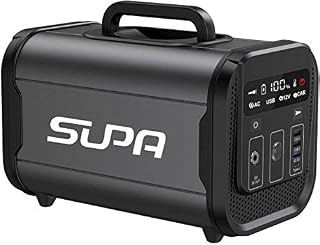

Anker SOLIX C300 Portable Power Station (288Wh LiFePO4, 300W AC)
$329.99
Check price on AmazonChoose a purpose-built CPAP battery if you:
- Fly frequently and need FAA-approved capacity
- Want the lightest possible solution (under 3 lbs)
- Need brand-specific DC output with no adapter cables
- Are willing to pay a premium for CPAP-optimized features

In short: DIY wins on runtime per dollar and customization. Commercial power stations win on convenience, UPS mode, and warranty. Purpose-built CPAP batteries win on portability and FAA compliance. Your use case determines the right choice — not a blanket recommendation.
Related reading
- DC adapter guide for your CPAP brand — match your machine to the right 12V adapter cable
- Calculate exactly what battery size you need — watt-hour math for your specific CPAP and settings
- Deep dive into LiFePO4 vs Li-Ion chemistry — how LiFePO4 compares to the NMC cells in commercial stations
- Solar charging guide for extended off-grid use — panel sizing, charge controllers, and daily recharge math
- Runtime calculator for personalized estimates — plug in your machine model and get exact hour estimates
What to do next
Start by checking the voltage label on your CPAP's power brick — that single number determines whether you need a step-up converter or can connect directly to a 12V battery. Then use our runtime calculator for personalized estimates to figure out how many watt-hours you need per night.
For most CPAP users building their first DIY CPAP battery, the Tier 2 LiFePO4 build hits the sweet spot: 13 to 15 pounds, two to three nights of runtime, 2,000-plus cycle life, and a total cost of $150 to $250. Order your DC adapter cable first — it is the most CPAP-specific component and determines whether your build will work with your machine.
If you get through this guide and decide DIY is more effort than you want, that is a perfectly valid conclusion. A plug-and-play LiFePO4 power station in the $130 to $260 range delivers comparable runtime with zero assembly. Check our DC adapter guide for your CPAP brand either way — using DC output instead of AC adds 10 to 15 percent more runtime regardless of whether your battery is DIY or store-bought.