
Water in your CPAP hose is called rainout. Warm, humidified air from your machine cools as it travels through the tube, and the moisture condenses into droplets that gurgle in the hose or splash onto your face.
The short answer: Rainout is rarely dangerous, but it can wet your face, break your mask seal and let germs grow if the hose stays damp. Fix it by lowering humidity, keeping the machine below head level, insulating standard (unheated) tubing, or using a heated tube with the right tube temperature. On battery, a hose cover is the only fix that costs zero watts.
This guide explains why water collects in your CPAP hose, what the manufacturers say about the risks, seven fixes ranked by cost, the exact ResMed and Philips settings to change, and how much battery runtime each fix costs you.
Why there's water in your CPAP hose
Rainout is CPAP hose condensation from your machine's humidified air, not from your breath. ResMed explains it simply: "If your room is cold, the warmed, humidified air hits the colder room temperature and cools. When air cools, the amount of humidity (water vapour) that it can hold is reduced, which causes the humidity to 'rain out'" (ResMed).
In plain physics terms, warm air holds more water vapor than cool air. Your humidifier loads the air with moisture at the tub. If the tube wall is colder than the air's dew point, some of that vapor turns back into liquid on the inside of the hose.
What makes rainout worse
- A cold bedroom. The bigger the gap between the humidified air and the room, the more condensation you get. Winter nights, tents and unheated rooms during a power outage are the classic triggers.
- A high humidity setting. More water vapor in the air means more water to condense.
- Drafts and A/C vents. Philips' DreamStation humidifier manual lists air conditioning near the machine as a cause of excessive tubing condensation (Philips).
- A machine placed higher than your head. Condensed water runs downhill, toward your mask.
- Low loops in the hose. Water pools in any dip, then gurgles or surges forward when you roll over.
Signs you have rainout
ResMed says patients usually notice rainout from "the feeling of water on their face and/or the gurgling in the tube" (ResMed blog). You may also see beads of water on the tube wall in the morning or find a wet mask cushion. Whether you call it CPAP water in hose or water in CPAP mask, it's the same rainout problem with the same fixes.
One distinction matters. A cushion that's slightly damp from your own breath, or from a leaking seal, isn't rainout. Rainout is visible water in the hose or droplets arriving from the tube side.
Is CPAP rainout dangerous?
Usually not. SleepApnea.org, in a medically reviewed article, states: "In most cases, CPAP rainout itself isn't dangerous, but the excess moisture it leaves behind can lead to germ growth" (SleepApnea.org).
That doesn't mean you should ignore it. Here's what water in your CPAP hose can actually do.
It disrupts sleep and your mask seal
Pooled water "may briefly interrupt airflow or force users to remove their mask," according to SleepApnea.org, and moisture can make it "harder to maintain a proper mask seal." ResMed adds that some patients "can experience anxiety, particularly those prone to feeling claustrophobic" when rainout wakes them. A broken seal causes leaks, and leaks can make therapy less effective.
It can trigger a machine fault
The AirSense 11 user guide lists "There may be water in the air tubing. Empty the water from the air tubing" as one cause of a System fault, Error 4 (ResMed AirSense 11 user guide). If you see that error after a cold night, check the hose first.
Damp equipment can grow germs
The real health risk is a hose that stays wet. SleepApnea.org says rainout on its own "is very unlikely to cause pneumonia," but "too much moisture within CPAP components can encourage bacteria growth if not cleaned regularly." ResMed's ClimateLineAir 11 guide also tells you to clean components on schedule "to prevent the growth of germs that can adversely affect your health" (ClimateLineAir 11 user guide).
In practice: hang the hose to drip dry each morning, wash it on your manufacturer's schedule, and use distilled water in the tub. If you're weighing a cleaning device, our SoClean vs Lumin comparison covers the options.
What about breathing in water?
The only official water-inhalation warning we found applies to moving a machine, not to normal bedside rainout. ResMed's AirSense 11 guide says: "Do not use the device with water in the humidifier tub while in transit (eg, on a plane or vehicle) due to the risk of: water spilling into the device; the inhalation of water during turbulence."
So never move or tip your machine with a full tub. If you wake up coughing or sputtering water, stop, empty the hose and the mask, and mention it to your doctor or equipment provider.
The bottom line: Rainout is a comfort and hygiene problem more than a safety emergency. Fix it, dry your hose daily, and keep it clean.
How to stop water in your CPAP hose: 7 fixes ranked by cost
Start with the free fixes. Most people can stop rainout by changing a setting and moving the machine, and neither costs anything or adds battery drain.
1. Turn humidity down one or two steps
This is the fastest fix. The AirSense 11 guide says it directly: "If you are getting any moisture in your mask, turn down the humidity." Philips' troubleshooting for "excessive condensation in the tubing" also says to reduce the humidity level setting.
Drop one level per night until the gurgling stops. If your nose or mouth gets too dry, go back up one step and add one of the insulating fixes below. Lower humidity also saves power, as our CPAP humidifier battery drain guide explains.
2. Put the machine below head level
Philips is explicit: "The humidifier must always be positioned below the breathing circuit connection at the mask." ResMed guidance points the same way, suggesting the machine sit lower than your head on the pillow.
When the machine sits lower, any condensate runs back toward the tub instead of down the hose into your mask. If your nightstand is taller than your mattress, move the machine to a lower shelf or the floor-side of a shorter table.
3. Get the machine away from drafts and warm the room a few degrees
Move your CPAP away from A/C vents, fans, and cold exterior walls or windows. If you control the thermostat, SleepApnea.org suggests a few degrees warmer can help. No manufacturer publishes a "rainout-free" room temperature, so adjust by feel.
This is harder during a winter outage, when the room cools all night. Our CPAP winter storm backup guide covers keeping therapy running in a cold house.
4. Route the hose so water can't pool
Avoid low loops that dip below the mask or the machine outlet. Water collects in the lowest point and gets pushed toward your face when you move.
A bedside hose holder lifts the tube over your headboard so it arcs down toward the machine. That shape encourages any condensate to drain back instead of pooling. It also stops the hose from tugging your mask when you turn over.

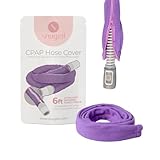
5. Add a hose cover to standard (unheated) tubing
A CPAP hose cover is a fleece or knit sleeve that slips over your tube. It insulates the hose so the humidified air cools less before it reaches your mask. ResMed's rainout article lists a tube jacket or tubing wrap as "particularly helpful in very cold rooms."
Hose covers cost about $10–25 and use zero watts. That makes them the best rainout fix on a battery, in a tent, or during an outage.
Two cautions:
- Hose covers are for standard, unheated tubing. ResMed says that with its heated ClimateLineAir tubing, "using the Climate Control feature on your CPAP … should help prevent this condition" (ResMed). If you have a heated tube, use its settings rather than adding insulation, and check your manual before putting anything over it.
- Don't bury the tube in bedding. Philips warns that "covering breathing tubes with a blanket or heating them in an incubator or with an overhead heater can affect the quality of the therapy or injure the patient." A purpose-made hose cover is not the same as tucking the hose under your blanket.

6. Use a heated tube with Climate Control or tube temperature
A heated tube for CPAP machines is the manufacturers' main answer to rainout. Philips describes its heated tubing as controlling "the temperature of the air in order to ensure that it does not cool down prior to reaching the mask." ResMed lists heated tubing as its recommended rainout fix.
The right tube depends on your machine:
- ResMed AirSense 11 / AirCurve 11: ClimateLineAir 11 (ref 39102), 2 m, 15 mm. It is not compatible with the AirSense 10.
- ResMed AirSense 10 / AirCurve 10: ClimateLineAir (refs 37296 / 37298).
- Philips DreamStation / DreamStation 2: HT15 15 mm heated tube (replaces SYSHT15).
Expect to pay about $40–50 at CPAP suppliers. Buy from a supplier that sells genuine OEM parts, since your machine only enables its heated-tube settings with a compatible tube. The tradeoff is power: our estimate is roughly 5–15 W extra, depending on tube temperature and room temperature. ResMed and Philips don't publish a tube-only figure.
7. Already have a heated tube? Raise tube temperature before cutting humidity
If rainout still happens with a heated tube, ResMed gives a specific order in the AirSense 11 guide: "If rainout does occur, first try increasing the tube temperature. If the air temperature becomes too warm and rainout continues, try decreasing the humidity."
Raising tube temperature keeps your humidity (and comfort) while stopping condensation. Only cut humidity if the air starts feeling too warm.
Rainout fixes compared
| Fix | Upfront cost | Effectiveness | Extra watts / battery impact | Best for |
|---|---|---|---|---|
| Lower humidity 1–2 levels | $0 | Moderate (trades against dryness) | Saves watts | First thing to try |
| Machine below head level | $0 | Moderate | 0 W | Everyone |
| Away from A/C, room a few degrees warmer | $0 (heating cost aside) | Moderate | 0 W at the CPAP | Cold bedrooms |
| Hose routing + hose holder | $0–25 | Low to moderate | 0 W | Water pooling in loops |
| Hose cover on standard tubing | ~$10–25 | Moderate to high in cool rooms | 0 W, no runtime loss | Battery, camping, outages |
| Heated tube (ClimateLineAir 11, ClimateLineAir, HT15) | ~$40–50 | High (manufacturer-recommended) | ~5–15 W (our estimate); about 8 h → 6 h on a RIVER 2 | Grid power, cold rooms, high humidity |
| Climate Control Auto (ResMed + heated tube) | $0 once you own the tube | High | Included in humidifier + tube draw | ResMed users on grid power |
| Humidifier off, run dry | $0 | Eliminates rainout | Saves the most; ~28 W → ~18 W on AirSense 11 | Short-term or small batteries |
Running with no humidity at all removes rainout completely, but it can cause dry mouth and congestion. Our guide to using a CPAP without water covers when that tradeoff makes sense.
ResMed AirSense 10 and 11: the rainout settings that matter
ResMed's Climate Control system is designed to prevent rainout automatically when you use a ClimateLineAir heated tube. If you use standard SlimLine or unheated tubing, you won't see Climate Control Auto, and humidity level, placement and a hose cover are your tools.
Climate Control Auto
On the AirSense 11, Climate Control Auto sets Tube Temperature to Auto, 27 °C (80 °F), and "adjusts the humidifier output to maintain a constant, comfortable humidity level of 85% relative humidity." ResMed says it "protects against rainout (water droplets in the heated air tubing and mask)." It is only available when both the ClimateLineAir 11 and a HumidAir 11 tub are attached.
For the AirSense 10 with ClimateLineAir, ResMed calls Climate Control Auto "the recommended and default setting," with the same 80 °F tube and 85% RH target (ClimateLineAir user guide).
One tradeoff: in a cold bedroom, Auto prioritizes preventing rainout and may deliver less moisture than you'd like. We cover that in our guide to turning the humidifier and tube off on an AirSense.
Climate Control Manual
Manual lets you set Tube Temperature and Humidity Level yourself, but ResMed warns: "Rainout protection is not guaranteed." Your ranges on the AirSense 11:
- Tube Temperature: 16–30 °C (60–86 °F), or Off
- Humidity Level: Off or 1–8
If rainout occurs in Manual, follow ResMed's order: tube temperature up first, humidity down second.
Where to find the settings
- AirSense 11: tap My Options on the Home screen, then Climate Control, Tube Temperature or Humidity Level.
- AirSense 10: in My Options, turn the dial to highlight Climate Ctrl, then adjust.
Tube Temperature only appears when a compatible heated tube is attached. ClimateLineAir 11 (39102) and the Air10 ClimateLineAir (37296 / 37298) aren't cross-compatible, so match the tube to your machine generation.
Philips DreamStation and DreamStation 2
Philips' guidance centers on placement and humidity. The DreamStation humidifier manual says the humidifier must always sit below the mask connection. For "excessive condensation in the tubing," it gives two fixes: reduce the humidity setting, and keep the humidifier and therapy device away from air conditioning.
The Philips HT15 15 mm heated tube fits the DreamStation, DreamStation 2 and System One 60 Series. Retailers list it with five heat levels plus off; exact menu names and icons can differ between the DreamStation and DreamStation 2, so check your user manual. If your heated tube isn't warming, the DreamStation humidifier manual says to check that the heated tubing setting isn't set to zero.
Philips' tube warning applies here too. Don't cover breathing tubes with a blanket or heat them with an overhead heater. For battery sizing on this machine, see our best battery for the DreamStation 2.
What each rainout fix costs you on battery
In short: on battery power, the zero-watt fixes win. A hose cover, lower humidity and good placement stop most rainout without cutting runtime, while a heated tube can cost you about two hours a night on a mid-size power station.
Here's the math on an EcoFlow RIVER 2 running DC-direct (256 Wh × 0.88 = about 225 Wh usable), using our standard AirSense 11 figures. Through the AC outlet, only about 70–80% is usable (roughly 190 Wh), so expect about 15% less runtime than shown:
| AirSense 11 setup | Approx. draw | RIVER 2 runtime (DC) |
|---|---|---|
| Humidifier and tube off (dry) | ~18 W | ~12.5 h |
| Humidifier low, no heated tube | ~28 W | ~8.0 h |
| Humidifier low + hose cover | ~28 W | ~8.0 h (cover adds 0 W) |
| Humidifier low + heated tube (~10 W, illustrative) | ~38 W | ~5.9 h |
| Humidifier high + heated tube | ~48 W | ~4.7 h |
The heated-tube row uses our 5–15 W estimate. ResMed lists the AirSense 11's peak power consumption at 73.2 W (typical 56.1 W), so always size your battery with some margin. Our full CPAP wattage breakdown explains where each watt goes.

A practical plan for outages and camping
- Pair a hose cover with low humidity and no heated tube. You keep some moisture, control rainout, and hold runtime near 8 hours on a RIVER 2.
- Switch Climate Control to Manual and turn Tube Temperature off during an outage if you normally run Auto. See the AirSense humidifier-off guide for the menu steps.
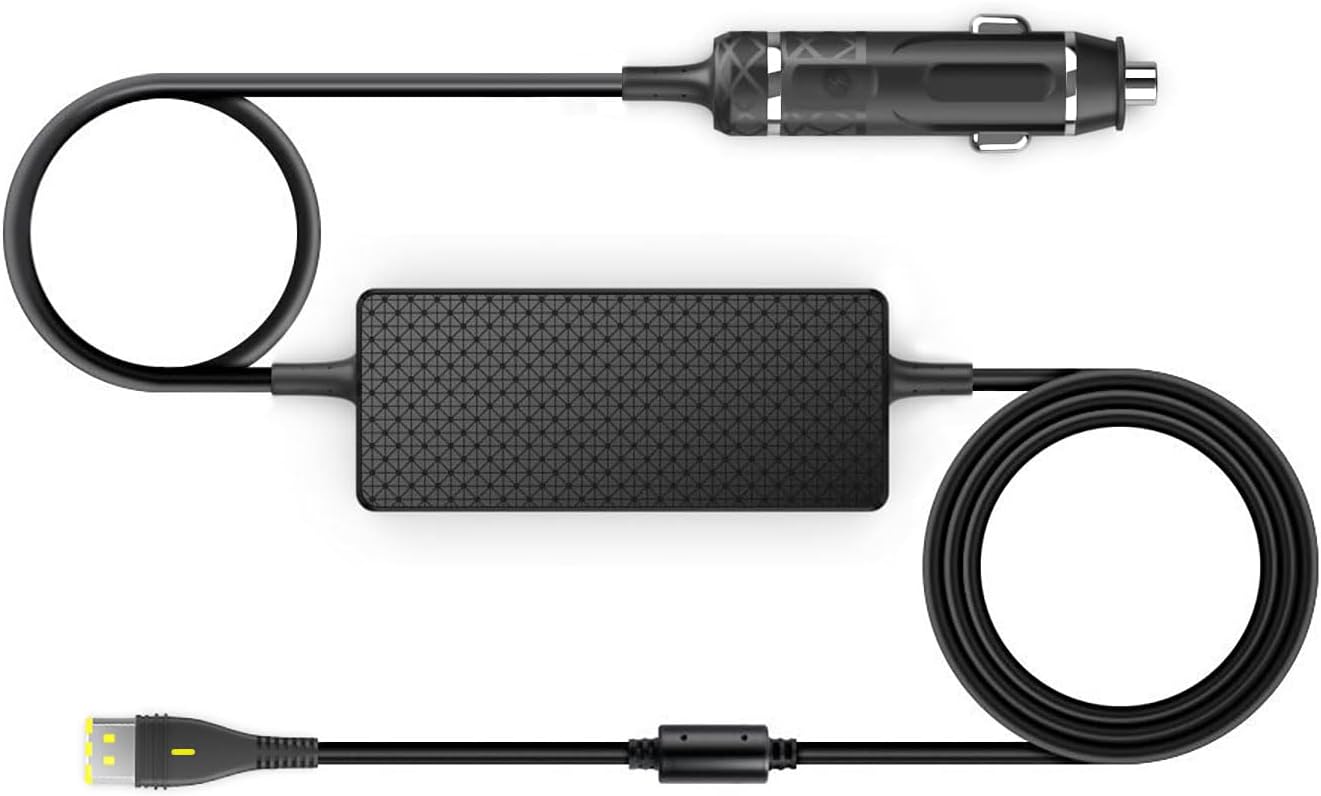
- Use a DC cable instead of the inverter if you keep the heated tube. Skipping AC conversion claws back runtime, as our CPAP DC power adapter guide explains.
Cold-tent rainout is its own challenge. Our CPAP camping setup guide covers overnight temperature drops, and if you travel with a humidifier, see our guide to humidification options when you travel.
For battery picks that can handle Climate Control Auto on grid-down nights, see our best battery for the ResMed AirSense 11.
Check your bedroom before you buy anything
A cheap digital thermometer-hygrometer shows your bedroom's overnight temperature and humidity. If rainout only happens on nights the room drops several degrees, insulation or tube temperature is likely a better fix than cutting humidity.

Frequently asked questions
Is it bad to have water in your CPAP hose?
Usually it isn't dangerous, but it can wake you, wet your face and break your mask seal. Empty the hose before you keep using it, hang it to dry each morning, and clean it on schedule so it doesn't grow germs.
Why is there water in my CPAP mask but not the hose?
The air cools most at the end of its trip, so droplets often appear at the mask end. Lower humidity one step and keep the machine below head level. A damp cushion can also come from your breath or a leak, which isn't rainout.
Do CPAP hose covers really work?
Yes, on standard unheated tubing in a cool room. ResMed lists tubing wraps as a rainout fix for very cold rooms, and a cover uses zero watts. With a heated tube, use Climate Control or tube temperature instead.
What tube temperature prevents rainout on the AirSense 11?
Climate Control Auto sets 27 °C (80 °F) with an 85% RH target. In Manual (16–30 °C / 60–86 °F), raise tube temperature first, then lower humidity if rainout continues.
How much battery does a heated CPAP tube use?
There's no official figure. Our estimate is roughly 5–15 W. On a RIVER 2, adding about 10 W to an AirSense 11 on low humidity cuts runtime from about 8 hours to about 6.
Related reading
- CPAP Humidifier Battery Drain: keep some humidity without killing your battery
- Can I Use a ResMed CPAP Without Water?: AirSense 10 and 11 humidifier-off setup
- Can You Use a CPAP Without Water?: the general guide for any machine
- CPAP Camping Setup: power and comfort in a cold tent
- Best CPAP Battery for Tent Camping: battery picks for off-grid nights
- CPAP Winter Storm Backup: therapy during a cold-weather outage
What to do next
- Tonight: turn humidity down one level, move your machine below head level, and route the hose without low loops. Empty the hose and hang it to dry in the morning.
- If rainout continues in a cool room: add a hose cover to standard tubing, or use a heated tube with Climate Control Auto on grid power.
- On battery: use a hose cover with low or no humidity and skip the heated tube. Run your own numbers in our CPAP battery runtime calculator.
